Why radon comes up at all
Radon is a radioactive gas that forms naturally in soil and rock. Outdoors it thins out in the air and does no harm. Inside a closed house it can collect, especially in the lowest levels, and long-term exposure is linked to lung cancer. The EPA recommends that buyers test before they purchase.
You can not see it, smell it or taste it, and it does not cause symptoms a doctor can spot. That is why I tell every buyer the same thing: the only way to know the level in a house is to test that house.
My neighbor tested fine. Do I still need to?
Yes. Radon levels can be very different from one house to the next on the same street. Foundation type, cracks, sump pits and how the house is sealed all change how much gas gets in. Your neighbor's result tells you about your neighbor's house.
How a short-term test fits your option period
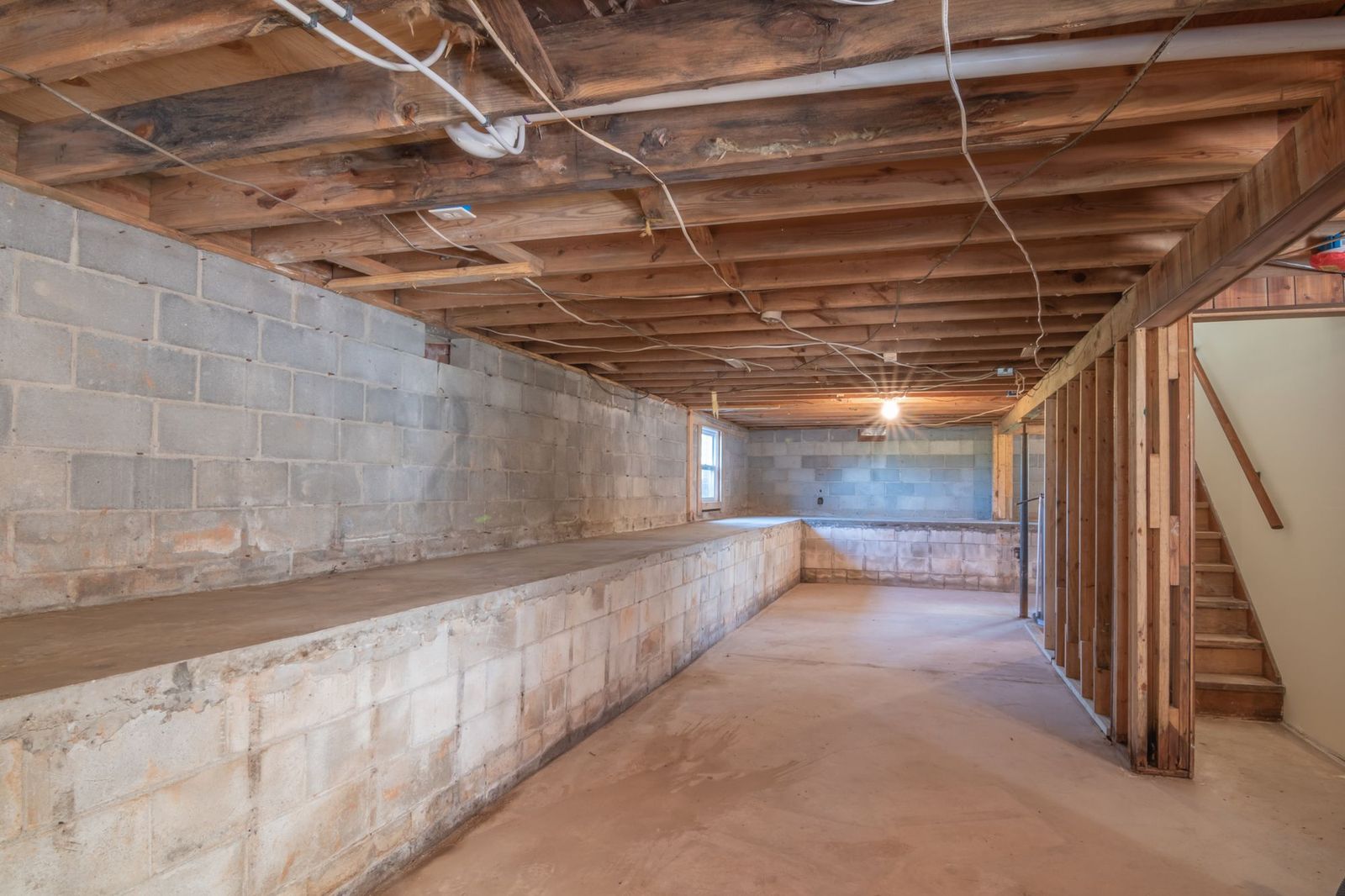
A short-term test runs for at least 48 hours under closed-house conditions, which means windows and outside doors stay shut except for normal coming and going. The test goes in the lowest livable level of the home.
Because of that two-day window, the best time to order it is together with the home inspection, so the result is in well before your option period ends. I explain the closed-house rules to the seller's side before the test starts.
What the number means
Results are reported in picocuries per liter (pCi/L). The EPA recommends fixing a home when the level is 4 pCi/L or higher. Below that, the EPA still suggests considering a fix between 2 and 4 pCi/L.
If the level is high
A high result is a negotiating point, not a reason to panic. Radon mitigation systems pull air from under the foundation and vent it above the roof line. Pro-Tech designs and installs custom mitigation systems, and a follow-up test confirms the level came down.
If you are buying in central Arkansas, add radon to your inspection when you book online, or read more about radon testing and mitigation.